Case Study
Rethinking CPD in One of England's Largest SEND Schools
Silverwood School
Key Takeaways
- A 520-pupil SEND school across four campuses replaced anxiety-driven observations with a teacher-led CPD model built around agency, choice, and structured reflection
- Every member of staff across every campus moves through the same development cycle, embedded directly into an IRIS Connect Pathway built on the school’s own codified framework
- Video sharing removed the need for cross-campus diary coordination and eliminated classroom disruption for pupils who struggle with unfamiliar visitors
- Over 2,000 platform logins in year one, with reflections watched an average of four times each: genuine engagement, not compliance
- “It’s created a real sense of belonging, community and a one school feel.” — Josh Hamblin, CPD Lead
Contents
A School Built for Complexity
Silverwood School, in Wiltshire, is one of England’s largest special educational needs schools. More than 520 pupils are spread across four campuses, supported by staff working with children and young people from 4-19 years old, across six distinct specialist curriculum pathways. These range from Pre-Formal, supporting pupils with profound and multiple learning disabilities needs and near one-to-one staff ratios, through to a Formal pathway that more closely resembles mainstream education. For staff working across that breadth, the demand for ongoing, adaptive professional development is not optional. It is constant.
When Silverwood joined with IRIS Connect, the school already recognised that professional learning mattered. But the model for delivering it was ready for a rethink.
520+
Pupils across four campuses, making Silverwood one of the largest special schools in England
6
Specialist curriculum pathways, from EYFS, Pre-Formal and Semi-Formal through to Social Communication, Formal, and Sixth Form
2,000+
Platform logins in the first year of using IRIS Connect for professional learning
When Observation Felt Like Inspection
Before IRIS Connect arrived, every teacher was observed twice per year in fixed two-week windows. A senior leader announced which lesson they planned to attend, and staff were expected to have planning and documentation in order. The intention was never to intimidate, but the effect was predictable.
“I’m not sure they have impacted the quality of my teaching”
— Feedback from a class teacher on the previous approach
Observation was something that happened to teachers, not something they shaped or owned. For a school operating across four campuses, there was a practical problem too: negotiating the diaries of senior and middle leaders across multiple sites was a constant friction, and teachers in specialist curriculum pathways had limited access to the expertise most relevant to their work.

Josh has worked in Special schools for over decade and has led on CPD for a larger part of that time. He firmly believes in the importance of choice for staff to develop agency and builds structures that enable professional development to be embedded over time. The challenge for Silverwood? How can this model be implemented at scale, with over 300 staff on roll?
The Leader Who Saw It Differently
Josh Hamblin joined Silverwood in September 2024 and over the years he developed strong connections within the wider education community which played a role in his philosophy for professional learning. Through IRIS Connect events and conversations with other school leaders across the network, Josh had built up a clear picture of what a better model could look like. When the issue of lesson visits was raised at an SLT meeting, he was ready.
A collaborative piece of work, where every single member of staff contributed towards a codified framework for teaching and learning followed. Then, a working party formed with representatives from across the school. Ideas were shared, tested and evolved. And from it came a model built on a principle that changed everything: teacher choice.
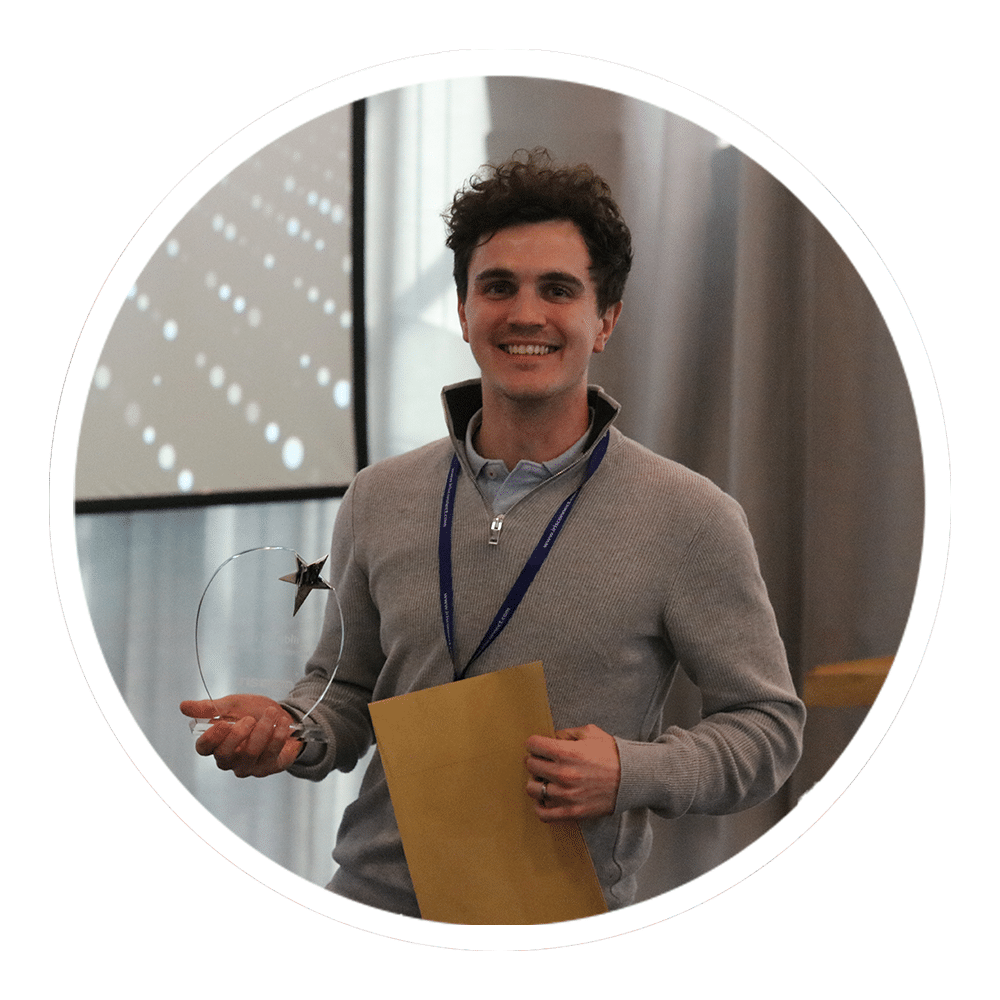
Josh Hamblin
Assistant Headteacher in SEND
A New Model, Built From Scratch
Under the new approach, teachers choose which middle and senior leader observes them, what they want to be observed doing, and when. The visit sits inside a structured cycle: an initial conversation to identify development areas, the lesson itself, and a focused feedback discussion, each stage designed to take around twenty minutes over a two-week period.
“It’s gone from a done-to to a done-with process. And suddenly the whole dynamic changed.”
— Josh Hamblin
What gives the model its consistency is the IRIS Connect Pathway, a structured sequence built directly into the platform that every member of staff moves through as part of their development cycle. The questions are already embedded. The prompts are already there. A teacher opening their Pathway sees the same carefully designed sequence as every colleague across all four campuses, regardless of which leader is working with them or which specialist curriculum pathway they teach on. The codification that Josh and his team spent time developing is not a document sitting in a shared drive. It lives inside the Pathway, which means it is used every time, by everyone, without exception.

(Screenshot of Silverwood’s custom IRIS Connect Pathway)
Moving through the Pathway, a teacher begins with a development conversation, identifying the area they want to work on and the impact they hope to achieve. That focus carries through into the lesson visit and into the structured reflection that follows. By the time they reach the planning stage, the Pathway has already guided both teacher and leader through a consistent, purposeful process. Nothing is left to chance or to the interpretation of whoever happens to be in the room.
The use of video acts as the mechanism that makes the Pathway work across sites. Rather than a physical visit being the only option, a teacher is able to record their lesson and share it through the platform. Their chosen leader watches it at a time that suits them, adds their observations, and the Pathway continues. The diary negotiations across four campuses are gone. Being aware of the needs of their learners is central to this process and an unfamiliar face in the classroom can cause genuine dysregulation. The recorded lesson becomes the window rather than the visit, without any disruption to the process itself.
Reflections are being watched an average of four times each, which suggests leaders and teachers are returning to them as part of an ongoing conversation, not filing them away once the cycle is complete.
Alongside the Pathway, the school built a dedicated resource library on IRIS Connect, hosting recordings of training sessions and INSET days; induction sessions; a research library; curriculum pathway groups and specialist guides from the speech and language therapist. A teacher who missed a session can catch up at any point. A teaching assistant wanting to improve their use of Makaton signing no longer waits weeks for an external trainer.
“Having the process clearly outlined on IRIS Connect helps keep everyone on track.”– Middle Leader

The Results So Far
The anxiety that defined the old observation cycle has gone. Staff feedback shows the new model feels qualitatively different, not just more manageable in terms of workload, but genuinely better as a professional experience. Nearly 2,000 logins in the first year, and reflections being watched multiple times each, suggest the platform is being used as a real learning tool rather than a compliance record.

“I definitely think that the anxiety around lesson visits has reduced. Feedback was much more of an open discussion and it felt more coaching ideas out of people and very reflective.” – Class teacher
“It was really nice and really helpful to have some ideas about what I can do to progress in my teaching and leading of the class. I feel like this is a really positive new system to promote wellbeing.” – Class teacher
The deeper shift is cultural. Staff across all four campuses are developing a shared professional identity. Filming lessons has become a normal part of school life rather than an annual event under duress.
“It’s created a real sense of belonging, community and a one school feel.”
— Josh Hamblin
This Isn't Just a SEND Story
Silverwood is a special school, but it is clear that the model is not a special school solution. When the approach was presented to governors, they asked whether it would work in a mainstream setting. The answer was unequivocal: yes.
The principles are universal: teacher agency, a codified framework, consistent delivery through the IRIS Connect Pathway, and a resource library that is always evolving. It does not require a large budget or an external provider. It requires a clear philosophy, a willingness to codify it, and the right tools to make it consistent at scale. External colleagues who have visited Silverwood have witnessed it first-hand and several are already exploring how to adopt a similar approach.

There is a strong focus on improving teachers’ subject knowledge and
pedagogy through high-quality, responsive professional development and
collaborative practice, leading to confident delivery and consistent approaches across pathways, as demonstrated through the introduction of IRIS Connect to develop and refine teaching practice across all three campuses.
Challenge Partners Review 2026
The Platform That Holds It Together
Silverwood’s vision existed before the platform was put in place. IRIS Connect is what made it work at scale, providing:
- The IRIS Connect Pathway: a structured, codified development cycle built into the platform, with embedded questions and prompts that ensure every teacher gets the same quality of experience from the first conversation to the final reflection.
- Video sharing across campuses, allowing the Pathway to function whether the leader is in the room or watching a recording from another site.
- A resource library that is always developing, reducing dependency on fixed dates and face-to-face delivery.
- Engagement data that shows teachers’ progress through the CPD cycle, creating accountability without surveillance.

The infrastructure also positions Silverwood well for what comes next. Working collaboratively with IRIS Connect the team have been exploring how customised AI tools built on the school’s own codified resources could eventually guide teachers to the right materials at exactly the right moment in their development, drawing on the content already embedded inside the Pathway.
What Would It Take in Your School?
Silverwood’s story is not primarily about technology. It is about a leadership team that asked hard questions about what professional development is actually for, and built something better from the ground up. The IRIS Connect Pathway gave them the infrastructure to make that vision consistent and scalable across every campus, every specialist curriculum pathway, and every member of staff. But the vision came first.
For any school leader considering a similar journey, the starting point is not the platform. It is the question: what do we actually want professional learning to look like here?
“When it came to introducing IRIS Connect, it was important to build it into our system. Using the platform at the heart of our approach to lesson visits has ensured all teachers are accessing it regularly.”
— Josh Hamblin
Interested in how IRIS Connect can support your school's professional learning?